EnergyNews wire, 5 Nov 2026
US Senate permitting bill BAAJA: what it changes for the grid and clean energy
Reported by MIT Technology Review, Heatmap, CleanTechnica and 2 more
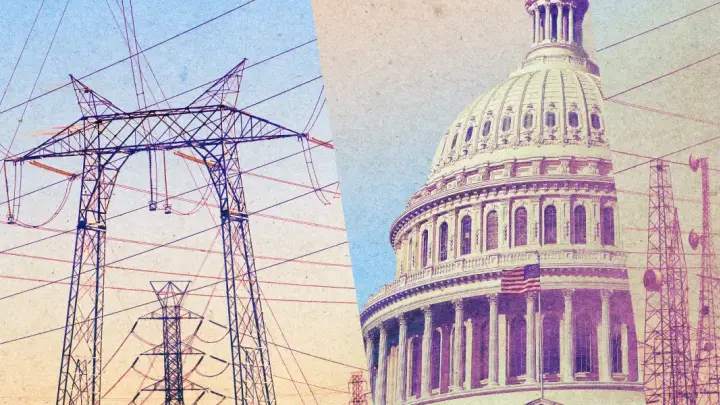
The US Senate has scheduled a floor vote on the Bipartisan American Affordability and Jobs Act (BAAJA) for November 9, 2026, a few days after the midterm elections. The bill is a permitting reform. It aims to speed up federal approvals for energy projects such as power plants, transmission lines and gas pipelines. Its 417 pages also include rules on transmission planning and mining.
The bill narrows the set of projects that must apply for federal permits and sets deadlines for reviews. The goal is to shorten a process that can take years today. It is technology neutral, so it covers fossil fuel and renewable projects alike. Heatmap reports that it would make high-voltage transmission lines easier and cheaper to build, linking renewable generation to areas of demand. It also includes ratepayer protections that would require data centers to pay the costs of grid upgrades needed to connect them.
Heatmap also reports several trade-offs. Once federal permits are issued, they would be far harder to revoke. The bill limits public participation in environmental reviews, changes landmark laws such as the Clean Water Act and the Endangered Species Act, and weakens tribal consultation under the National Historic Preservation Act.
Supporters include the White House, which says the bill would shorten review times and support economic growth through its Council of Economic Advisors. The American Clean Power Association says it could unlock 350 gigawatts of new clean energy for the grid. The Natural Resources Defense Council, according to MIT Technology Review, sees real benefits in the transmission parts but warns that narrower environmental reviews could harm public and private lands. Solar and storage industry groups are also in favour. According to pv magazine USA, more than 300 solar and storage companies urged Congress to pass the bill, and the Solar Energy Industries Association says modernizing federal reviews could unlock 120 billion dollars in delayed clean energy investment. Solar Power World reports a letter signed by hundreds of solar and storage companies backing the bill.
Two modelling studies give different pictures of the effect on emissions and bills. The think tank Rhodium Group finds that in the best case the bill would cut economy-wide emissions by 4 percent, lower annual energy bills by 78 dollars per household and add 200 gigawatts of new clean energy by 2040. In the worst case, emissions would stay about the same. Resources for the Future estimates that power-sector emissions could fall 6 percent by 2041 and that the bill could save more than 350 billion dollars in system costs by midcentury. Kevin Kircher, an energy modeller at Purdue University, reports that if the bill had been in place in 2025, energy sector emissions would have been higher than the actual baseline, with more health and mortality risks from air pollution.
Critics fear the bill would open the door to many new natural-gas plants, as data centers add pressure on the grid. CleanTechnica argues the bill remains fundamentally flawed despite a manager's amendment released on a Saturday, and calls for an open amendment process. Democrats are divided. According to Heatmap, Senator Ruben Gallego argues for taking the win now, while Senator Mark Kelly wants to wait for the next Congress. Heatmap also reports that House minority leader Hakeem Jeffries opposes the current version, according to Politico. Representative Mike Levin of California, who is undecided, judges the bill by three tests: whether it lowers costs, whether it protects clean air and water, and whether it delivers access to clean energy. He says he sees loopholes in the project certainty language. Any final deal would also need the signature of President Trump.
Several points remain unknown. The final text of the manager's amendment is not yet public, and the outcome of the Senate vote is not known. It is also unclear whether House Democrats will support the bill, or whether it will be delayed to the next Congress. The emissions and cost estimates were made before the final text, so they may change. Readers should treat them as projections rather than settled results.
Enjoying this? Get the Energy brief
Every Friday: prices, subsidies and what changed in your market.
✓ Free · seven editions · one click to leave
How each source covered it
- MIT Technology ReviewExplainer on the permitting bill, its emissions estimates and the case for and against it5 Nov 2026
- HeatmapInterview with a undecided congressman about the bill's trade-offs and Democratic split6 Nov 2026
- CleanTechnicaCritical view arguing the bill is flawed and calling for an open amendment process9 Nov 2026
- Solar Power WorldIndustry letter from solar and storage firms backing the bill for lowering energy costs9 Nov 2026
- pv magazine USASolar trade report on the more than 300 companies urging Congress and the 120 billion dollar estimate10 Nov 2026
Original reporting by the sources above. Summary by smart-home.space.