EnergyNews wire, 18 Nov 2026
US battery storage tops 200 GWh as 2026 installations keep growing
Reported by CleanTechnica, Electrek
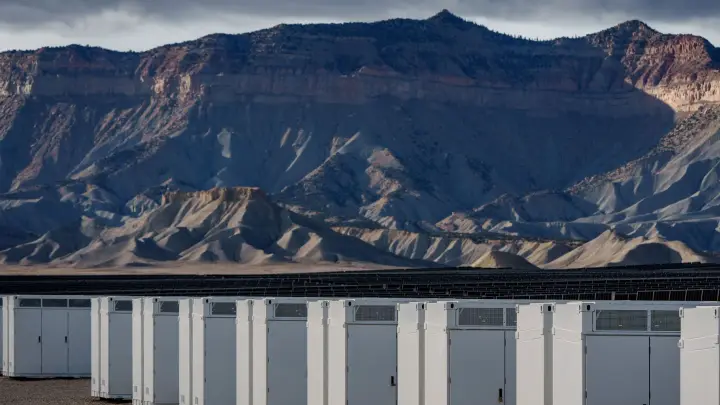
The United States has now installed more than 200 GWh of battery storage, according to a report from the Solar Energy Industries Association (SEIA) and Benchmark Mineral Intelligence. The industry added 48.3 GWh in the first nine months of 2026, up 20 percent on the same period last year. Third-quarter installations reached 14.3 GWh.
Utility-scale projects made up most of the third-quarter total, with 12.2 GWh. Commercial and industrial sites added 1.3 GWh, and residential storage added 746 MWh. Texas led the states with 12.3 GWh of grid-scale batteries through September, followed by Arizona at 7.7 GWh and California at 6.8 GWh. Eleven states beat their previous annual installation records with three months still to go.
Sources disagree on the quarter. CleanTechnica reports that third-quarter installs were flat quarter over quarter. Electrek reports they were down 1 percent year over year, and that home battery installs through September were still down 12 percent, after many homeowners moved purchases forward before the federal residential clean energy tax credit ended.
The SEIA analysis, as Electrek describes it, says solar and batteries helped cut average summer wholesale power prices by 42 percent in Texas and 51 percent in California between 2021 and 2026, measured in inflation-adjusted terms. Household bills tell a different story. Generation costs for homes fell in both states, but delivery costs rose. Residential bills rose 22 percent at the two California utilities studied and 3 percent across the Texas sample, driven by transmission and distribution spending.
On policy, more than 300 solar and storage companies wrote to Congress last week urging it to pass the Bipartisan American Affordability and Jobs Act, known as BAAJA. SEIA CEO Tim Pawlenty says the permitting bill would help projects get built faster and ease pressure on power prices. Many Democrats, however, feel the bill falls short. A Senate procedural vote on Monday, 70 to 27, moved the bill's text closer to a final vote.
Factory capacity is growing too. A Tennessee cell plant opened in July and an Indiana plant in October, lifting US cell capacity to 92.4 GWh, a 50 percent increase. The SEIA and Benchmark outlook now expects cumulative US storage of 708 GWh by 2030, a 3.7 percent rise from the previous forecast.
Still unknown: whether BAAJA will become law, and how much bills will change in each state. The figures come from one industry-linked report and the analysis it cites, and we have not checked them independently.
Enjoying this? Get the Energy brief
Every Friday: prices, subsidies and what changed in your market.
✓ Free · seven editions · one click to leave
How each source covered it
Original reporting by the sources above. Summary by smart-home.space.