AINews wire, 49 min ago
AI coding tools are reaching gadget firmware, from TVs and cameras to synths
Reported by The Verge
The Verge reports that large language models are now being used to change the software of everyday gadgets, including TVs, cameras, music gear and game consoles. The article presents the trend as a fast-growing one in 2026, after coding tools became good enough for people without deep engineering skills to try it.
The article opens with an Indian programmer named Gathin T. He used Claude Code on a Xiaomi TV running Android TV, which was crowded with advertising and hard to navigate. After a few permission changes and a switch to USB debugging, the chatbot could control the set over the same Wi-Fi network. He removed the onscreen ads, simplified the interface and made his game console input easier to reach. He later published the work as an open project, which drew many contributions from other users.
The article says this route works most easily on Android-based devices. Many products that do not look like Android still run it. Other systems often have a way in as well, such as a hidden programming interface or a firmware file that can be unpacked and changed. The author notes that the underlying techniques are not new. Hackers have modified hardware for years, but AI tools now cut the time and skill needed.
Camera owners form another group. Users are using LLMs to change camera firmware so it can record new formats, support higher resolutions or apply new colour looks. Firmware projects such as Magic Lantern have long been popular in the camera community. Some people use the tools to give older equipment new features, while others work on new models.
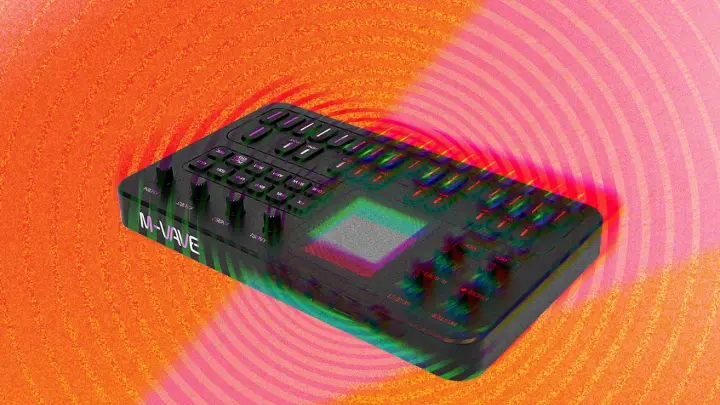
Music gear is affected too. Musicians are turning low-cost synthesisers into new instruments. The article names the M-Vave FM-1, a cheap device that has become a common target for custom firmware. According to the article, M-Vave has released open-source firmware for it, a move that welcomes hackers instead of blocking them.
Gamers are also using AI tools to study and modify games and consoles. The article describes one person who played PlayStation 2 discs on a PlayStation 5. Many others have written scripts that let them use their favourite controllers on other devices.
Game companies are responding. The article cites Luke Dicken, a former head of artificial intelligence at Take-Two, who told Kotaku he expects the industry to adopt stronger copy protection, platform-level controls and a shift toward streaming. The article also expects hardware makers to tighten the locks on their systems and companies to pursue legal action to protect their intellectual property.
The piece also describes risks for users. Installing firmware written with AI tools takes a user far beyond what the manufacturer can support. A person may end up relying on the same chatbot to repair problems that the chatbot created. The article quotes a writer at Fuji X Weekly who warned that a camera could become unusable, and framed the question as when and how many, not whether.
The article suggests a safer route for tinkerers: new low-cost hardware made for experiments. ESP32 modules combine networking chips, microphones and speakers on a small board, and they are now common in hobby communities. The article names the M5Stack PaperMono, an ESP32-based e-paper device, as an example. It says such boards can run small custom tools, such as a display of real-time sea conditions, a monitor for a DJ setup or a family shopping list.
The article does not give numbers for how many devices are affected, and it does not say how the disputes over copy protection will end. Its examples come from individual users and projects, not from a market study. It also does not name any manufacturer that has taken legal action so far.
Enjoying this? Get the AI brief
Every Thursday: AI that matters for your home.
✓ Free · seven editions · one click to leave
Original reporting by the sources above. Summary by smart-home.space.