AINews wire, 47 min ago
ChatGPT Live Dictation now shows speech as you talk, with no 10-minute cap
Reported by TechRadar
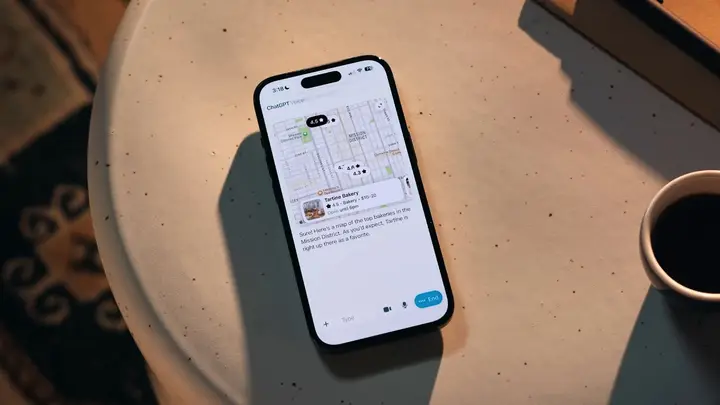
OpenAI has upgraded Live Dictation in ChatGPT. The feature turns speech into text while the user is still talking, so words appear on screen in real time. The earlier 10-minute limit on recordings has been removed. The report comes from TechRadar, which tested the feature over a full day.
The change builds on a speech-to-text model that OpenAI introduced earlier this year. According to the company, that model cut errors by 10 percent across the most used languages. It also copes better with accents and with noisy surroundings. The aim, as the company frames it, is to make talking to the chatbot a practical alternative to typing all the time.
To use the feature, the user taps the microphone icon in the message box and starts speaking. Tapping the waveform shows or hides the transcript. After recording, the text can be reviewed and edited before it is sent. The start-up process has not changed with this update.
Live Dictation is different from ChatGPT Voice. Voice is a spoken conversation with the chatbot. Dictation sends a written message that the user has said out loud. The distinction matters because the result is text that can be checked and corrected before the prompt reaches the model.
In TechRadar's test, the reviewer used the feature for simple requests and for more complex ones. A simple request was a set of dinner ideas based on what was in the fridge. A complex one was planning a weekend outing, with travel time and possible bad weather to consider. The reviewer also sorted a list of errands by urgency. Seeing the words appear let the reviewer catch misheard phrases before the chatbot answered. Changing the plan halfway through did not require rewriting the whole prompt.
The reviewer also found drawbacks. Natural speech includes hesitations and repetitions, and a rambling spoken prompt still produces a muddled request. Speech is also less precise than typing when the exact wording matters, for example with a specific phrase or detailed instructions. The reviewer's conclusion was that typing still suits precision and speech suits casual questions and longer explanations.
Privacy is the other open point. OpenAI says dictated audio is sent to its models for transcription. According to the company, the audio is kept only while the related chat stays in the user's history. Some users may still not want to send voice recordings to a chatbot, even with that rule in place.
Several details are still unknown. OpenAI has not stated a new maximum recording length, so the time limit is gone but no replacement figure has been given. The report does not say which plans or regions get the update, and it gives no exact rollout date. It also does not describe any change in pricing.
For readers, the update is a small change in how text gets into ChatGPT, not a new device or a home product. Still, many people use a phone or laptop for questions and notes, and speech input is becoming quicker to use. Anyone who tries it should read the transcript before sending, and should be aware that spoken prompts are processed as audio by OpenAI.
Enjoying this? Get the AI brief
Every Thursday: AI that matters for your home.
✓ Free · seven editions · one click to leave
Original reporting by the sources above. Summary by smart-home.space.