AINews wire, 4 h ago
Moving a Kindle library off Amazon and using Claude to explore it
Reported by XDA Developers
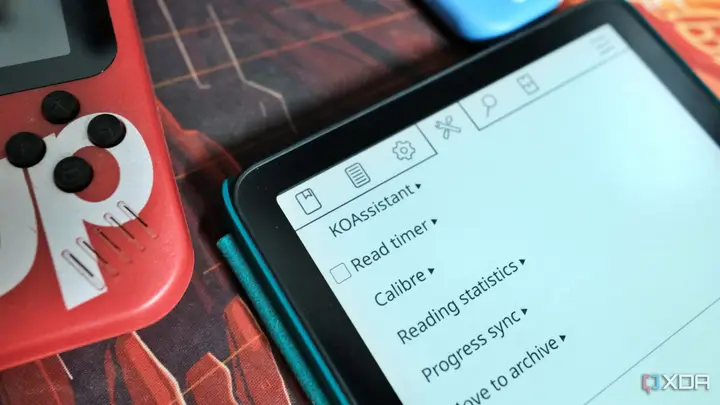
A reader on XDA Developers, in a piece dated 21 November 2026, describes moving a Kindle ebook library off Amazon and using Claude, the AI assistant from Anthropic, to explore what they read. The story is a personal how-to, not a product launch. It began when a book disappeared from the author's Kindle library. Amazon had already stopped offering USB transfer for Kindle ebooks in February 2025. The reader wanted to manage their books without depending on Amazon's software.
The setup starts with a Kindle Paperwhite (12th generation) that the author jailbroke. The device runs KOReader, a free and open-source reader, and connects to a Calibre-Web server on the home network. Because macOS no longer mounts the Kindle over plain USB, the author used OpenMTP to copy every book from the device's documents folder to a Mac. OpenMTP cannot see the Kindle while KOReader is running, so KOReader must be closed first. Calibre then converted the azw3 files to EPUB. Calibre cannot handle DRM-protected files, so a DeDRM plugin was needed for some titles. The EPUBs then went to Calibre-Web, which also offers an OPDS feed for browsing from the Kindle or other reader apps.
The AI part uses a KOReader plugin called KOAssistant. The reader created an API key in the Claude account settings and placed it in a configuration file inside the plugin folder, then copied the folder to the Kindle. The author notes that API use is billed per use through the API console, not through a Claude chat subscription. The Kindle must be connected to Wi-Fi and out of airplane mode. Typing long keys on an e-ink device is slow, so editing a file on a computer is easier.
In use, the reader opens Library Chat from the Tools menu and runs Library Scan on the folder containing the EPUBs. The plugin requests consent first, and the prompt states the provider and the data it will share. Book text needs a separate permission, so a scan shares only titles and authors. The library was newly built, so the tool had no reading history to work from. It suggested crime and mystery authors based on the genres present, and the reader could narrow choices by chatting. From an open book, the chat can compare it with similar titles.
The reader also advises keeping EPUBs in a single dedicated folder rather than the default documents folder, so unrelated files stay out of the scan. The author's plan is to let Claude scan a folder of unread books next.
The account is one reader's experience, not an official guide from Amazon, Anthropic, or the KOReader project, and the newsroom has not tested it. Readers should note that the workflow involves jailbreaking the device and removing DRM from some files, which the source does not assess legally. The author also says each scan sends a booklist to Anthropic. The article does not state what the API use costs in practice.
Enjoying this? Get the AI brief
Every Thursday: AI that matters for your home.
✓ Free · seven editions · one click to leave
Original reporting by the sources above. Summary by smart-home.space.