EnergyNews wire, 9 h ago
Data centers in the US used power comparable to Michigan, Harvard study finds
Reported by TechRadar
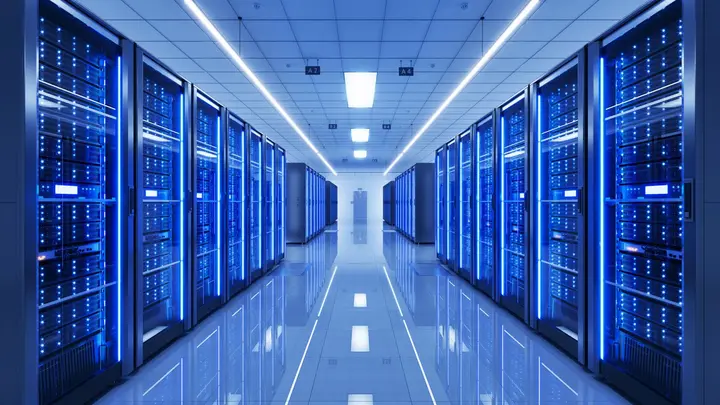
A Harvard-led study estimates that 403 large US data centers used electricity on the scale of the entire state of Michigan. The research covers May 2024 to April 2025, a period in which the facilities needed between 68 and 99 terawatt-hours a year, according to the authors.
The researchers put the share at about 1.8% of total American electricity demand in that period. They also attribute roughly 25.7 million metric tons of carbon dioxide to the facilities. Those emissions, the report says, are higher than Denmark's total annual greenhouse gas output.
Fossil fuels supplied about 54% of the power used by the facilities, according to the study. Natural gas made up 30% and coal 15%. Four states, Virginia, Ohio, Oregon and Iowa, account for more than half of the electricity examined.
The estimate is, by the report's account, at least two to three times higher than comparable figures from 2018. The authors also say the picture is only a snapshot. Electricity use is likely larger now, in 2026, because the boom has continued since April 2025.
The study leaves out facilities that run on dedicated off-grid gas generation, so total consumption could be higher than reported. Other sources cite around 5,000 US data centers, with at least 1,500 under construction.
The issue has become political. Senator Josh Hawley has called for a temporary halt to new construction. Democrats have pressed developers to take more responsibility for infrastructure and environmental costs. A bipartisan group of senators is working on a bill to speed up permitting and to make developers pay more toward the power costs of their sites.
Local opposition is also growing, based on several surveys. Residents raise concerns about electricity use, water needs and noise. Thailand has introduced noise limits for data center operations. Some firms are converting existing buildings, including former indoor cannabis farms, but those conversions may need even more power and water than the earlier farming use, and noise remains unresolved.
What is still unknown is how far the figures hold for 2026 and for off-grid sites. The study is a single estimate, and the reported figures come from its authors' own calculations.
Enjoying this? Get the Energy brief
Every Friday: prices, subsidies and what changed in your market.
✓ Free · seven editions · one click to leave
Original reporting by the sources above. Summary by smart-home.space.