EnergyNews wire, 17 Nov 2026
German firms propose inverter-free plug-in battery safety concept for home wiring
Reported by pv magazine
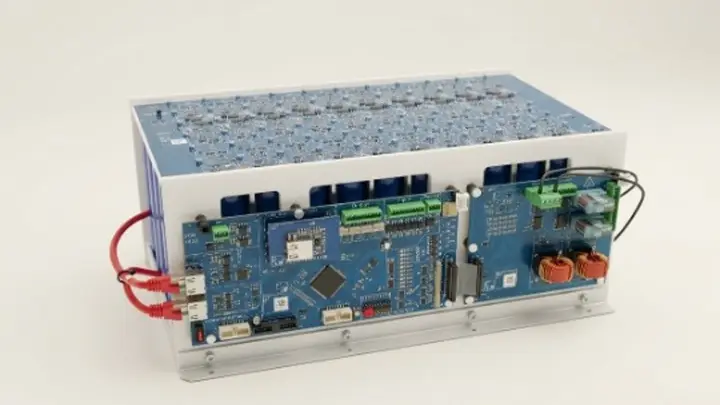
Indielux GmbH, a developer of plug-in solar and storage safety technology, and p&e power&energy GmbH, a battery power electronics specialist, have signed a memorandum of understanding. The two firms plan a shared safety concept for modular plug-in battery systems. Its goal is to stop household wiring from overheating when a battery feeds power into a home circuit.
The design combines p&e's multilevel technology, which creates alternating current at cell level and so needs no central inverter, with Indielux's patented ready2plugin protection. According to the companies, standard circuit breakers measure power drawn from the grid but ignore power a storage unit pushes into the same circuit. That extra load can heat wiring and damage its PVC insulation. The companies say a continuous feed of 800 W could bring wiring to a critical state in about six months. At 2,500 W, the insulation could start to decompose and create a fire hazard.
Ready2plugin monitors circuits in real time and cuts the supply before wiring overheats. Indielux says a standard socket without extra overload protection can take 1,200 kWh per year from a battery. With the protection, the company says that limit can rise to 22,800 kWh per year. P&e says its electronics exceed 99% efficiency. Under moderate loads, the modules need no cooling fan and may be installed outdoors, depending on battery chemistry and enclosure design.
Each planned module stores 2 kWh to 5 kWh and outputs up to 2.3 kW, with grid and circuit protection built in. Several modules could feed up to 2.6 kW into one household circuit through a single socket. During a grid outage, the companies say the emergency outlets could deliver up to 4.6 kW combined. The safety concept includes 24 technical measures aimed at VDE standards for personal safety, wiring protection and grid protection.
Still unknown are prices, release dates, certification status and retail availability. The companies have not said when products will reach buyers. The report comes from pv magazine and relies on the companies' own figures, which have not been independently verified. Readers should treat the numbers as vendor claims until tests are published.
Enjoying this? Get the Energy brief
Every Friday: prices, subsidies and what changed in your market.
✓ Free · seven editions · one click to leave
Original reporting by the sources above. Summary by smart-home.space.