EnergyNews wire, 2 h ago
Home solar: the upfront costs, resale and financing risks to check first
Reported by Engadget
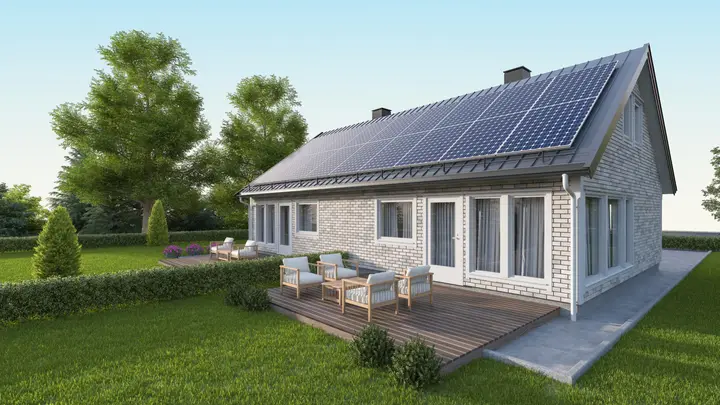
Engadget published a guide on the financial drawbacks of adding solar panels to a home. The article argues that solar can cut monthly electricity bills and may raise a home's resale value. It also says that the decision depends on local factors, the upfront cost and how the system will be paid for. This is a single-source report, so the figures below come from that one outlet.
The average installed price for a typical home falls between $20,000 and $27,000, based on a national benchmark of $3.36 per watt. That is before any incentives or rebates. The federal tax credit of 30 percent that homeowners could use before 2026 has ended, according to the report, because the Trump administration terminated it. Some states and utilities still offer rebates or income tax credits.
Electricity prices matter a great deal. Savings are smaller where power is cheap, and the report says a smaller home, a small household or efficient appliances can also reduce the gain. Net metering credits are a key factor. Under the best programs, excess power is credited at the same retail rate the owner pays. Other places use buyback schemes, reduced rates or net billing, which pay only part of the energy price. The programs differ by state, and not every utility offers them.
Location and roof design are the next factors. Sites with steady sunlight and mild to cool temperatures work best, while heavy overcast weather or extreme heat can reduce output and shorten panel life. Roofs should face south and be free of shade from buildings or trees. An older roof may need replacing first, which the report puts at between $4,000 and more than $35,000, depending on size and roof type. Aesthetics also count for some owners. Solar shingles are an alternative for owners who dislike bulky panels, but they have drawn some negative press and cost roughly twice as much per watt. The report gives $21 to $25 per square foot, or $52,500 to $62,500 for a 2,500-square-foot home before incentives.
Backup power is the other big cost. Solar panels do not provide power during an outage on their own. A battery is needed to store surplus solar and supply the home when the grid fails. The report gives $10,000 to $16,000 for a single battery that covers lights, a refrigerator, WiFi and some outlets. A whole-home, multi-battery system that can run the HVAC and all appliances costs $22,000 to $40,000, plus routine maintenance. Those figures can stretch the payback period, which matters if you move before the system pays for itself.
Selling the home can also become harder. If a system is financed or leased under a power purchase agreement, the buyer usually has to take over the remaining contract. If the buyer declines, the seller may need to pay off the balance, which the report calls the most expensive option. The buyer must also qualify for the solar lease, a process that can take up to two months, separate from mortgage approval. A UCC-1 filing, a lien on the equipment that appears in title searches, can lead some mortgage lenders to refuse to close.
The report does not give a full lifetime cost comparison, so its figures are a starting point. Readers should check current incentive rules, local net metering terms and installer quotes before deciding.
Enjoying this? Get the Energy brief
Every Friday: prices, subsidies and what changed in your market.
✓ Free · seven editions · one click to leave
Original reporting by the sources above. Summary by smart-home.space.