EnergyNews wire, 5 h ago
IEA: 120 GW more data center capacity expected by 2030, mostly for AI
Reported by Tom's Hardware
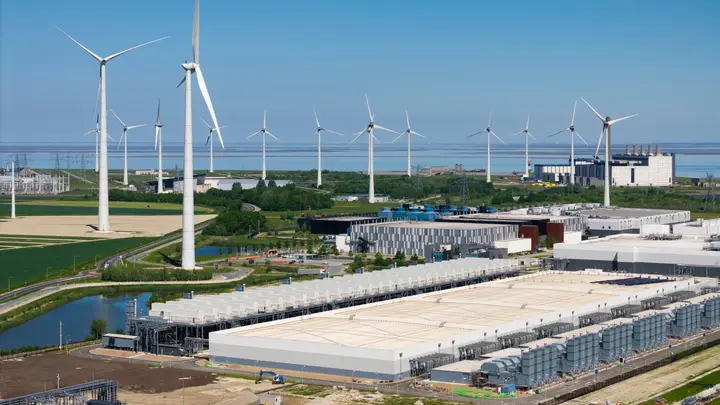
The International Energy Agency (IEA) has published its World Energy Outlook 2026, which looks at how data centers are reshaping electricity demand. According to the report, data centers worldwide currently have about 120 GW of capacity. Another 120 GW is planned to come online before 2030, and about 75% of that would serve artificial intelligence. The agency is also tracking 93 large AI factories that are under construction or being expanded, based on satellite imagery.
Capacity at these AI sites has grown from under 2 GW to 17 GW in only two years. Once complete, they are expected to reach 50 GW in total, which the IEA compares with adding a second Great Britain to national power demand. Grid operators already face projects that could exceed the peak load their systems can support. Residents in some communities oppose new sites and blame data centers for higher utility prices.
On prices, the agency has found no firm evidence yet linking data center growth to rising electricity bills. The outcome depends on who pays. If a data center uses existing capacity and covers its share of costs, bills for other customers could fall. If grid operators must upgrade networks for a large user and spread those costs across everyone, monthly bills could rise.
On emissions, renewables supply close to 50% of the power that data centers contract for. Actual generation, however, relies on coal and natural gas for close to 60%, because those sources fill in when renewables cannot meet the need for reliable supply. Some projects run on their own power, including a site near Southaven, Mississippi, linked to Elon Musk. The IEA expects coal and gas emissions from data centers to rise by 70% by 2030.
Investment is also very large. The IEA projects AI data center spending could reach $32 trillion by 2050, more than railways, electrification and the internet combined. The grid remains the main bottleneck. Renewable plants take one to five years to build, while transmission works can take far longer. It is still unknown how these pressures will change household bills in each market, because the report does not settle that question.
Enjoying this? Get the Energy brief
Every Friday: prices, subsidies and what changed in your market.
✓ Free · seven editions · one click to leave
Original reporting by the sources above. Summary by smart-home.space.