EnergyNews wire, 19 Nov 2026
Plug-in batteries for New York renters join a virtual power plant
Reported by pv magazine, pv magazine USA, CleanTechnica
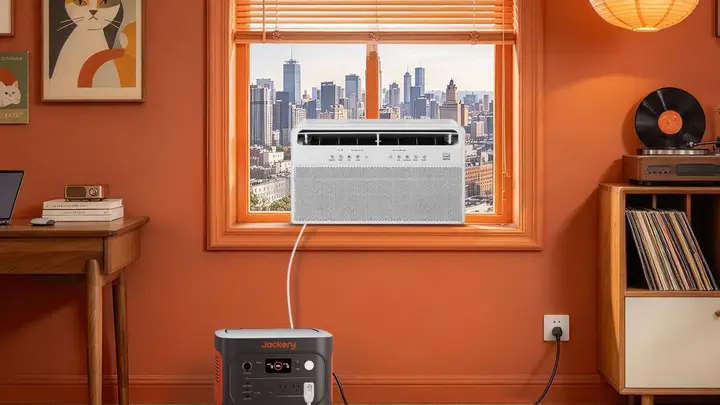
Jackery, a maker of portable power stations, and Every Electric, a consumer energy aggregator based in Brooklyn, have launched a plug-in battery virtual power plant for renters and apartment residents in New York City. The companies describe it as the first plug-and-play network of its kind in North America. Households use ordinary wall sockets, so no electrician, hardwired home battery or municipal permit is needed. The aim is to shift peak air conditioning demand on the grid.
The program has run across Consolidated Edison's New York City service territory since September. According to the companies, roughly 2,000 portable power stations are now placed in more than 1,000 households, adding up to 4 MWh of storage. Most of the units are Jackery Explorer 2000 v2 models. Nearly 50 MWh of energy has cycled through them so far, the companies say. Every Electric also reports that total seasonal payouts to participating homes are approaching $200,000, and that more than 15,000 air conditioners are on its waitlist.
Joining takes a few steps. A resident signs up through the website, connects a utility account, and runs a window or portable air conditioner through the battery's passthrough socket. Once the battery is on Wi-Fi through Jackery's app, Every Electric's cloud software charges it during off-peak hours. At peak grid demand, it discharges to run the air conditioner. Backup capacity stays reserved for power cuts.
There are three routes. In the first, the household pays nothing upfront for the hardware or setup and pays no monthly fee, but a refundable $30 security deposit applies. Every Electric keeps ownership of the battery. It earns grid-service income through Con Edison's Smart Usage scheme and pays out between $100 and $150 each year for every air conditioner. In the second, a household buys a unit for $650, down from a $999 list price. Annual payouts rise to as much as $250 per air conditioner, and this tier also helps fund a free unit for a neighbor. A zero-deposit waitlist option is open for next summer. A third route, bring-your-own-battery, appears to exist. The companies have shown EcoFlow and Bluetti units, but the sources give no firm terms for it.
The reports differ on some details. The two pv magazine editions match on the core terms. CleanTechnica frames payouts per battery rather than per air conditioner, and its figure of up to $150 a year is narrower than the $100 to $150 range in the pv magazine reports. CleanTechnica also cites an 11-year rated lifespan, which the pv magazine pieces do not mention. All the figures are company claims and have not been checked independently. Every Electric's chief executive argues that rooftop solar and storage leave out renters and multifamily residents, and that a plug-in battery lets any household with a wall outlet earn from grid services.
The first stage uses 120V air conditioners of up to about 12,000 BTU, which CleanTechnica says suits many New York apartments. Its reporter, who visited the RE+ show, notes that the model needs many small batteries under one utility to sell enough capacity to Con Edison. A larger rollout is planned for next year. The sources do not say whether the scheme will reach other cities. Both companies are demonstrating the platform at RE+ 2026 in Las Vegas, from November 17 to 19. Jackery is also showing its modular Explorer 5000 Plus, with smart transfer switch support.
Enjoying this? Get the Energy brief
Every Friday: prices, subsidies and what changed in your market.
✓ Free · seven editions · one click to leave
How each source covered it
- pv magazineCovers the launch, the program's scale and the three pricing options, using the companies' own figures.19 Nov 2026
- pv magazine USAThe US edition of the same launch story, with the options and the companies' claims about the program.20 Nov 2026
- CleanTechnicaA hands-on report from the RE+ show that explains how the scheme works and what limits its growth.21 Nov 2026
Original reporting by the sources above. Summary by smart-home.space.