EnergyNews wire, 18 Nov 2026
Sunrun and SPAN pair home batteries and solar with XFRA computing nodes
Reported by CleanTechnica
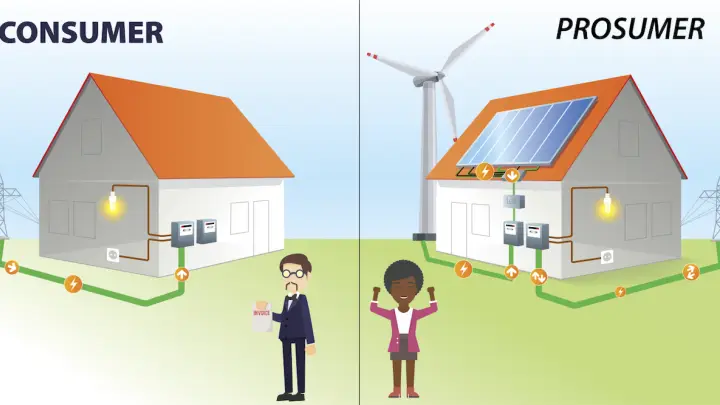
Sunrun, a US rooftop solar installer that now calls itself storage-first, has been named an authorized partner to install XFRA, a distributed computing product from the home energy firm SPAN. CleanTechnica reports the deal as part of a wider shift toward distributed energy resources, or DERs.
The companies plan to place small computer nodes at homes and smaller commercial sites. Together these nodes would form a distributed data center. Unlike older volunteer computing projects, XFRA runs its own nodes rather than relying on people's personal computers. The work focuses on new home developments and aims at gigawatt-scale networks, starting in Texas and other selected markets.
The core idea is power supply. According to the companies, Sunrun's battery and solar systems would keep electricity running for both the household and the compute nodes. The same systems would also limit overloading of local distribution lines, which the companies say would let SPAN deploy more nodes.
Sunrun chief executive Mary Powell said that combining household generation and batteries with XFRA nodes adds economic value for customers and for Sunrun. She also said it addresses speed-to-power limits that could otherwise slow AI deployment. SPAN founder and chief executive Arch Rao said the pairing would let SPAN expand its node count quickly and lower compute costs for some AI workloads.
Some background matters here. Sunrun started in 2007 and moved into storage and virtual power plants. As of the month of the report, it ranks as the largest distributed power plant in the US, with solar and storage assets across 164,000 enrolled households. Sunrun and SPAN had an installation partnership since 2021, which laid the groundwork for the computing work. SPAN introduced XFRA earlier in 2026, and Sunrun announced its selection in September.
Powell also spoke at Climate Week in New York in September and at the DERVOS 2026 summit at the Brooklyn Navy Yard on November 5. The DER Task Force organises DERVOS. The group uses the slogan 'Everything is DER', which the article reads as a focus on resources close to the load and controlled by the people who use the power, rather than on size alone.
The article's author makes a wider argument. Centralised plants can cause widespread outages and are attractive targets for attack. Distributed resources, the author says, can improve resilience against natural and human-made disasters. They can also let households earn revenue or utility discounts. Rooftop solar, EV charging stations and home batteries all belong to this group.
Several things remain unknown. The sources give no launch date for XFRA deployments under this partnership, and no pricing. They do not say how many nodes are planned or how households would be paid. The gigawatt-scale goal is a company target, and no independent confirmation is given. This story rests on one source, so the figures and plans should be read as the companies' own statements.
Enjoying this? Get the Energy brief
Every Friday: prices, subsidies and what changed in your market.
✓ Free · seven editions · one click to leave
Original reporting by the sources above. Summary by smart-home.space.