EV & MobilityNews wire, 3 h ago
Could smaller electric motorcycles make riding safer? What the 2024 US data shows
Reported by Electrek
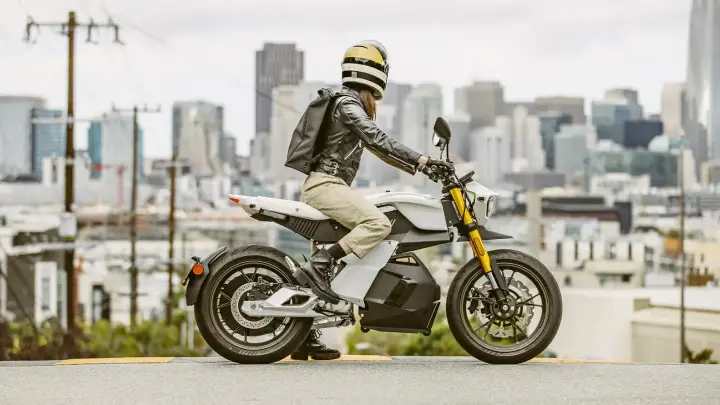
An opinion piece on Electrek asks whether smaller electric motorcycles could make riding safer. The author, who promotes motorcycles as an alternative to big cars for many trips, starts from a hard fact: per mile, motorcycles are much more dangerous than cars.
The article cites NHTSA figures for the United States. In 2024, 6,228 motorcyclists were killed, which is 16% of all traffic deaths. A motorcycle has no steel body, crumple zones, seatbelt or airbag to protect the rider.
Rider behaviour also plays a large part. According to IIHS data cited in the piece, about 35% of motorcyclist deaths in 2024 happened in single-vehicle crashes. NHTSA reports that 40% of riders killed in single-vehicle crashes were impaired by alcohol.
The article also looks at bike type. Of the riders killed on supersport motorcycles in 2024, 59% were under 30. For cruiser and standard bikes the share was 19%, and for touring bikes it was 7%. The author says this does not prove that power causes deaths. Rider age, riding style and the kind of person who buys each bike are all factors.
The author notes that used supersports are cheap to buy. A bike of about 400 lb can produce well over 100 horsepower and reach speeds close to three times a typical US highway limit. Unlike a car, the rider has little protection when things go wrong.
Electric motorcycles first followed gasoline bikes up the performance ladder. Companies such as Energica and LiveWire built very fast machines. The author now sees a different trend: smaller, lighter electric motorcycles aimed at approachable performance and a lower price. LiveWire's upcoming S4 Honcho is one example. Ryvid, Land and Maeving also make modest-sized models.
Battery limits shape this trend. Building an electric motorcycle with huge power is easy. Carrying enough battery for high speeds over long distances, without becoming heavy and expensive, is much harder. The author says manufacturers may therefore build lighter bikes that reach 60 to 70 mph (95 to 120 km/h) and offer enough range for everyday riding. He sees this limit as a possible safety benefit.
The author also points to young riders who grow up on e-bikes and small electric motos. Many of them may later want a bike that reaches about 50 mph (80 km/h). That is a gradual step, unlike jumping straight to a 600cc sport bike. Electric motorcycles also have no clutch, no gearbox and no stalling, so a rider can give more attention to braking, cornering and traffic.
The author adds a caveat. Electric does not automatically mean safer. Instant torque can catch an inexperienced rider out. The text we have ends before the author's full conclusion, and it does not compare crash rates of electric and gasoline motorcycles. It is an opinion column, not a new safety study. Whether smaller electric motorcycles will lower the number of crashes in practice is still unknown.
Enjoying this? Get the EV & Mobility brief
Every Wednesday: charging, cars and costs.
✓ Free · seven editions · one click to leave
Original reporting by the sources above. Summary by smart-home.space.