EV & MobilityNews wire, 1 h ago
E-bike power race: why wattage numbers can mislead buyers
Reported by Electrek
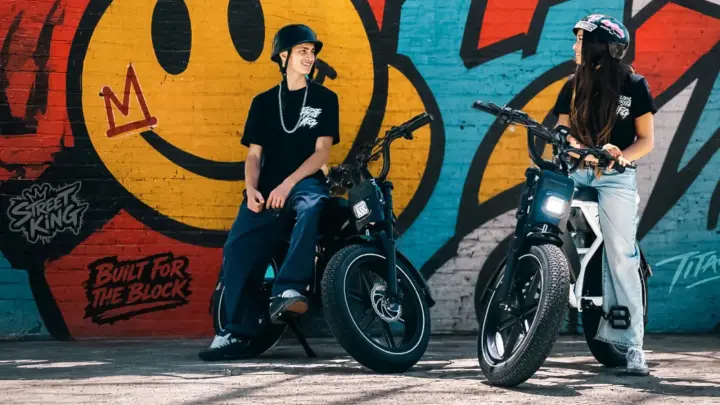
A column on Electrek, published on 24 November 2026, argues that the e-bike market has a problem with power ratings. The author, Micah Toll, says that motors of 1,000 W, 1,500 W or 2,000 W now appear on many listings, and that dual-motor models add to the race for bigger numbers. In his view, many of these machines are no longer bicycles in the usual sense, yet they are still sold under that name.
The piece sets out the rules that apply in the United States. The widely used three-class system caps Class 1 and Class 2 e-bikes at 20 mph (32 km/h) and Class 3 at 28 mph (45 km/h), with a few minor exceptions. A motor of 750 W has long served as the common reference point for the power limit. The author notes that many online retailers now sell models that go well past that level and often exceed the normal speed limits for their class.
Some of these listings carry a note that the bike is meant for off-road use. Others rely on a software setting that is supposed to restrict the motor when the bike is ridden on the street. The author argues that neither measure changes how the machine feels or how it is used in practice, and that such bikes end up on paths and streets built for ordinary bicycles.
Buyers are part of the problem, according to the column. Wattage is an easy figure to compare, so a bike advertising 1,500 W can look twice as good as one with 750 W at the same price. Young riders, who may not understand how e-bikes work, often ask their parents for the models with the biggest motors, and many parents agree. Several other factors shape how a bike performs, including the controller, the battery voltage, cooling, the gears and the tuning of the software. A carefully tuned mid-power system can feel better to ride than a poorly built one with double the rating.
The author does not oppose powerful machines. He describes light electric mopeds and motorcycles, sometimes called e-motos, as useful for replacing car trips. His concern is that such vehicles are sold as bicycles. He warns that when fast machines appear on bike paths, lawmakers may respond with rules that also hit ordinary commuter e-bikes. He calls for more honest labelling so that each type of vehicle is called by its right name.
The column is an opinion piece. It does not report new regulation, test results or sales figures, and it does not name a specific law or manufacturer. Readers should treat its points on rules as the author's reading of the US three-class system, not as a legal summary for other countries.
Enjoying this? Get the EV & Mobility brief
Every Wednesday: charging, cars and costs.
✓ Free · seven editions · one click to leave
Original reporting by the sources above. Summary by smart-home.space.