EV & MobilityNews wire, 4 h ago
Rural drivers may gain more from EVs than city drivers, an opinion piece argues
Reported by Electrek
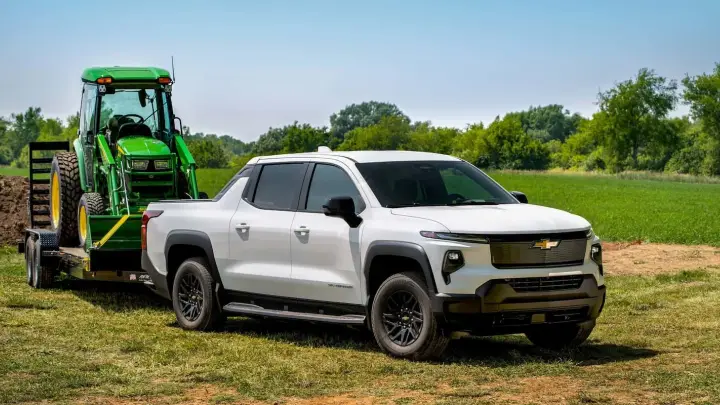
Electrek has published an opinion piece arguing that rural drivers can gain more from electric vehicles than city drivers. The article is a column, not a news report, and its author says it is updated every year. It revisits a 2021 view from the Union of Concerned Scientists, which listed five benefits of electrification for rural areas, and adds points that the author says have changed since then.
The first point is driving distance. The author notes that in small towns such as Wellington, Ohio, or Colfax, Washington, a 30-mile trip is an ordinary errand. He argues that the common claim about range anxiety misses what rural drivers actually face. Citing a study by the Rural Climate Partnership, the article says rural drivers pay 44% more for fuel than city dwellers on average. It adds that the top 3.6% of rural drivers, described as high-mileage "supermilers", could save over $4,000 a year by switching to electricity. The article does not explain how the study was done.
The second point is trucks. Electric pickups and SUVs are no longer rare, the author says, and they can tow, haul and go camping. He points to a new group of cheaper electric trucks from Ford, Slate and other makers. According to the column, early interest suggests strong demand for smaller and less costly electric work trucks. The article does not give final prices for these models in the text we have.
The third point is charging at home. The author says only about 45% of rural counties have DC fast charging, so public charging is still thin in many areas. He argues that home charging is the bigger advantage. He estimates that more than 80% of rural households have a parking space, such as a driveway or garage, that suits overnight Level 2 charging. Many of these homes already have a 240-volt outlet, which can keep installation costs low. He also says off-peak electricity rates make charging cheap, though the article gives no rate figures.
The fourth point is backup power. The author says many electric cars and trucks can run refrigerators, freezers, well pumps, lights and other essentials for days. This works through onboard outlets or a vehicle-to-home (V2H) system that feeds the home electrical panel. The column names Ford's F-150 Lightning and Tesla's Cybertruck as examples. For people in areas hit by storms, hurricanes or wildfires, the author says this can keep food cold and medicine refrigerated.
The fifth point is cost. The author says leases, new tax incentives and programmes from companies such as Ford Pro and TRC can bring the price of an electric vehicle below that of a comparable petrol model. He does not give a full price comparison in the article.
The sixth point is used EVs. The column mentions a 2019 Chevy Bolt that the outlet covered earlier, which had passed 470,000 miles. It also cites data from Ford, as reported in the article, that its battery packs keep more than 90% of their health after 100,000 miles. The author notes that the first modern high-voltage car battery appeared more than 30 years ago, when the Toyota Prius launched in 1996.
The last point is energy independence. The author argues that gasoline comes from oil traded on global markets, and that switching to an EV can keep more money at home. He also says that battery recycling and newer chemistries could reduce reliance on rare earth metals, cobalt and lithium. He links cheaper wind and solar power to EV charging, but this is his own argument, not a finding from a study.
What is still unknown: the column is an opinion, and most figures come from studies, company data or other sources cited in the piece. We have not checked those figures independently. The article does not name the models or prices that will reach the market in 2027, and it does not state a date for wider V2H availability.
Enjoying this? Get the EV & Mobility brief
Every Wednesday: charging, cars and costs.
✓ Free · seven editions · one click to leave
Original reporting by the sources above. Summary by smart-home.space.