EV & MobilityNews wire, 47 min ago
Wireless Android Auto drops: phone settings and the head unit can be the real cause
Reported by XDA Developers
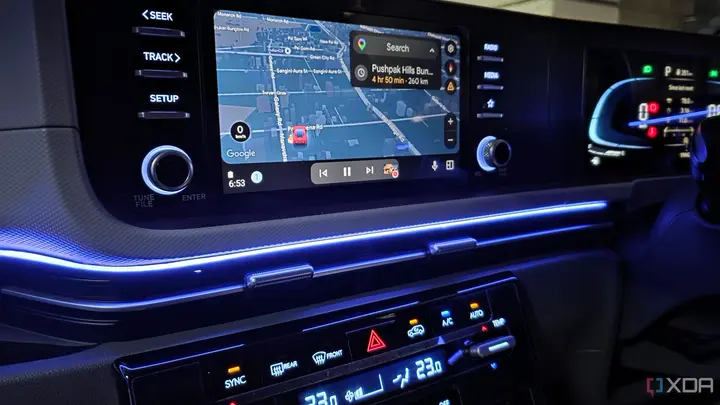
A driver who relied on wireless Android Auto for navigation and music found that the software was not always to blame. In a first-person report published by XDA Developers on 19 November 2026, the writer describes slow connections, music that stops, and disconnects in the middle of a route. The writer first assumed the problem lay in Google's software, then looked at what the phone was doing at each failure.
Standard fixes such as restarting the phone, force-stopping Android Auto, toggling Bluetooth and Wi-Fi, or re-pairing with the car's infotainment system worked only for a short time. The problems often returned on the next drive. The writer changed approach and logged when each failure happened and which background features were active on the phone at that moment.
Two connectivity features stood out. On a Pixel 8, turning off Adaptive Connectivity reduced the hiccups, according to the writer. On a Galaxy S25 Ultra, disabling Samsung's automatic switching between Wi-Fi and mobile data had a similar effect. Wireless Android Auto depends on a Wi-Fi link to the car's head unit, which is why network settings matter. The writer says neither change is a guaranteed fix for everyone.
Battery management was the next suspect. The writer turned off power-saving mode while using Android Auto and removed the app from Samsung's deep sleeping list. Where the option existed, the app was added to the never auto-sleeping list so the system would not restrict its background activity. The connection became more consistent on longer drives that rely on maps and music. The writer concludes that saving battery can cost background connectivity.
The car itself was also examined. The writer restarted the head unit, checked its firmware and connectivity settings, and tested a second Android phone. These steps help separate a phone problem from a head unit problem. The article does not name the head unit make or model, and it does not say how common this pattern is among other drivers.
The report is one user's experience with two phones and one car setup. It does not include tests, data, or comments from Google, Samsung, or car makers. Readers should treat the causes it describes as possibilities to check, not confirmed explanations for every disconnect.
Enjoying this? Get the EV & Mobility brief
Every Wednesday: charging, cars and costs.
✓ Free · seven editions · one click to leave
Original reporting by the sources above. Summary by smart-home.space.