GadgetsNews wire, 7 Nov 2026
Fitbit Edge: comfortable design, but a weak button and no contactless payments
Reported by Tom's Guide, Android Authority, Android Police
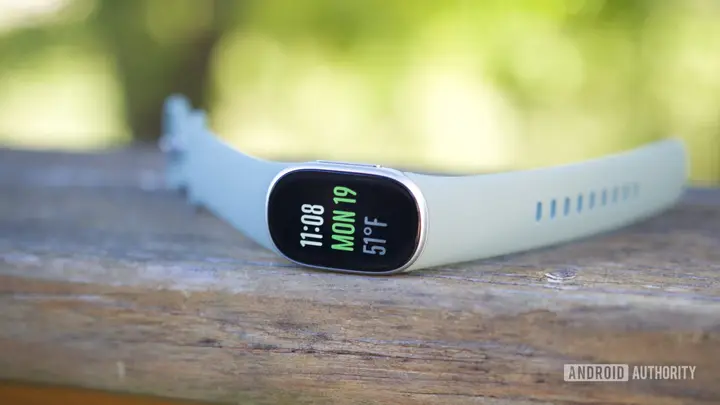
Google's newest fitness tracker, the Fitbit Edge, costs $180. A Tom's Guide reviewer wore it for two weeks and came away unconvinced, despite wanting to like it. The review, published on 6 November 2026, lists three things the reviewer wishes Google had done differently.
The reviewer praised the design. The tracker sits lightly on the wrist and feels more comfortable than larger watches such as the Apple Watch Ultra 4 and the Fenix 9 Pro. Google offers a wide range of swappable straps. The Edge costs $80 more than the Fitbit Air, but it adds a screen and built-in GPS, which the reviewer considered fair value for a fitness tracker. For a full sports watch, the reviewer suggested the Coros Pace 4, which sits at a similar price.
The first complaint is the physical button. The reviewer found it better than the haptic buttons on the Fitbit Charge 6, but said it does very little. Pressing it does not start a run, so the user still has to tap the touchscreen. On the stopwatch, pressing the button returns the user to the home screen instead of starting the timer. The reviewer noted that touch input is hard with sweaty fingers, especially at the start and finish of a race.
The second complaint concerns contactless payments. The Edge drops this feature, which the Charge 6 offered. According to the review, Google says only 1% of Charge 6 users used it, and that is why the company removed it. The reviewer still found this a strange choice in 2026.
The third complaint is the limited workout modes. Users cannot change the data fields shown in workout screens or reorder them. Google Maps navigation is not available during workouts, and music cannot be controlled once a workout starts. The reviewer said these gaps mattered more than expected during runs and hikes in unfamiliar areas.
The GPS setting also affects battery life. By default the Edge uses dynamic GPS, which switches between the GPS in the paired phone and the built-in GPS. The reviewer said that using the built-in GPS drained about 11% of the battery during an hour-long run.
The reviewer also said the device is not aimed at serious runners or endurance athletes. It is designed for casual users who want to track daily health figures, and for that group the reviewer said it works well. The reviewer added that several of the problems could be solved with a firmware update.
A second report, from Android Authority on the same day, focuses on the missing NFC feature. According to that report, Google says almost no one wants NFC in the Fitbit Edge. Readers who responded to the outlet strongly disagreed, and over half said they want the feature. The excerpt we have does not give the size or method of the reader survey, and we could not read the full article, so these figures come from the summary only. The report does not say whether NFC and the contactless payments in the Tom's Guide review are the same feature.
Several points remain unclear. Neither source confirms whether Google plans firmware fixes for the button, the workout settings or the GPS battery use. Neither source says whether Google will add contactless payments or NFC in a future update. Readers who are considering the Edge should check for updates after purchase and compare the device with other options before deciding.
Enjoying this? Get the Gadgets brief
Every Monday: the gadgets worth your money.
✓ Free · seven editions · one click to leave
How each source covered it
- Tom's GuideTwo-week hands-on review listing three things the reviewer wished Google had changed, with praise for design and value6 Nov 2026
- Android AuthorityReader poll on the missing NFC feature, contrasting Google's view that few users want it with strong reader support6 Nov 2026
- Android Police7 Nov 2026
Original reporting by the sources above. Summary by smart-home.space.