GadgetsNews wire, 13 h ago
Xreal Aura AR glasses arrive with Google's Android XR and a $1,299 puck
Reported by Tom's Guide
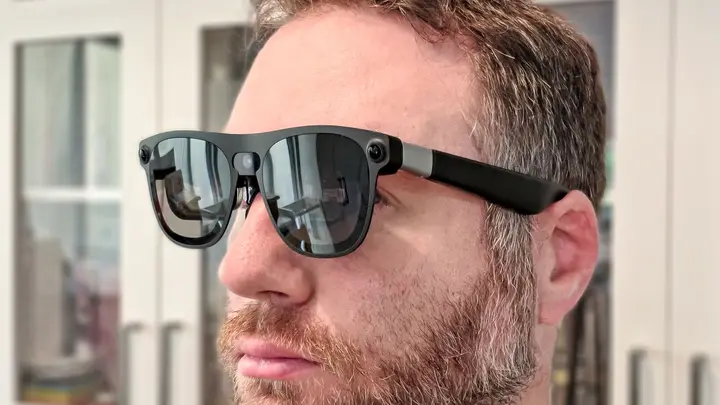
Xreal and Google have released the Aura, a pair of spatial computing AR glasses. Tom's Guide published early first impressions after its reviewer wore the glasses for a few days. The reviewer describes them as an early hint at where computing and wearables may go, and says a full review will follow.
The Aura sits between simple display glasses and VR headsets. Xreal's One Pro Plus is a display model without this level of tracking. The Aura adds cameras at both temples and one on the nose bridge. These cameras power gesture controls and six-degrees-of-freedom spatial tracking, which the reviewer says no other Xreal glasses offer natively. Compared with Meta's planned VR Glasses, which carry more cameras that can see hands in the lap, the Aura relies more on software and its cameras.
Most of the processing happens in a separate puck. The puck holds a Snapdragon Reality Elite chipset and the battery. It runs Android XR, the same platform the reviewer had seen on Samsung's Galaxy XR headset. The interface is nearly identical, but it offers fewer capabilities because it has fewer cameras and less power. Gemini is available through voice controls. Users can navigate with pinch gestures or by using the puck as a trackpad. The reviewer found both smooth, and praised the setup tutorial that teaches the controls.
Connectivity is a major point. The glasses can mirror a screen without the puck, so they can connect to most devices and work like standard Xreal glasses. The Aura also works with the Switch 2 through a USB-C connection into the puck. The reviewer ran Mario Kart World and the Ocarina of Time remake on the glasses. The reviewer says they still do not know exactly how Xreal and Qualcomm made this work. Xreal also says that peripherals can extend the glasses' use.
Comfort and audio were tested too. The arms adjust across three levels, and the nose pads come in several sizes. The reviewer found the glasses fairly comfortable. The speakers, built with Bose, sound better than those in other glasses the reviewer has tested, but they will not match good headphones, and some sound leaks out. The part resting on the eyebrows gets warm, while the puck stays cool in use. The field of view is 70 degrees, which the reviewer notes is smaller than what VR fans will want.
Battery life is rated at about 3 hours of continuous use. The reviewer's own use roughly matched that figure, but a full battery test has not yet been done. The glasses cost $1,299. The GameSir controller costs $99 and has an AI button. The Xreal keyboard costs $79 and has Aura-specific keys in the function row. A USB-C DP-in accessory for mirroring external devices was also sent with the review kit. These accessories add cost on top of the glasses. Other Bluetooth controllers also work with the Aura.
The article also places the Aura among rivals. Snap Specs are said to ship this fall, and Meta VR Glasses are not due until spring 2027. The source does not confirm these dates beyond the outlet's own report. Several points remain open: the final verdict, battery results from a full test, long-term comfort, and how the glasses compare with rivals once they are on sale.
Enjoying this? Get the Gadgets brief
Every Monday: the gadgets worth your money.
✓ Free · seven editions · one click to leave
Original reporting by the sources above. Summary by smart-home.space.