Smart HomeNews wire, 8 h ago
Google Home November update: keyless door entry, faster Gemini and Nest Thermostat changes
Reported by 9to5Google, Android Authority
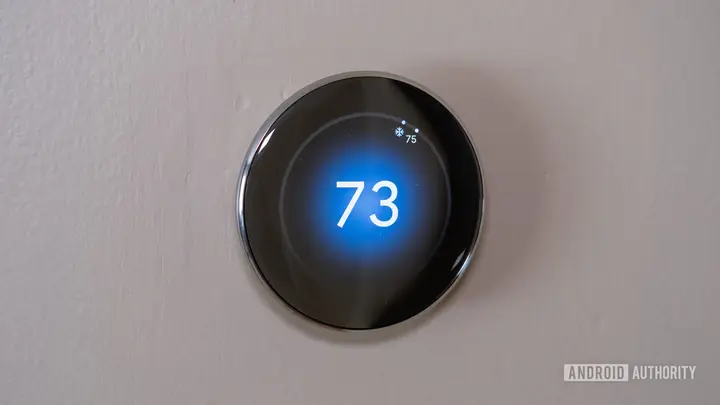
Google has detailed a batch of Google Home updates that are rolling out to users. The changes cover door locks, cameras, the Google Home website, Gemini for Home and the Nest Thermostat, according to a 9to5Google report published on 17 November 2026.
The first change is home keys in Google Wallet. The feature works with compatible NFC and UWB (Aliro) locks. It runs on newer Pixel phones and some Samsung Galaxy models, and lets a user unlock a door by tapping the phone. Google had announced this feature the week before.
Google Home Premium Advanced subscribers should start to see spoken-style audio descriptions added to event alerts from cameras and doorbells. The descriptions name sounds such as breaking glass or barking dogs, which gives more context to each alert.
Camera Activity Zones also get changes. Google says it has tightened the boundary precision on its newest wired cameras. That should cut false alerts caused by passing cars, animals and motion just outside a zone. The camera settings page has been redesigned so Activity Zones sit at the top. On iOS, a confirmation prompt now appears when a user leaves an edited zone, so custom boundaries are not lost by accident.
The Google Home website gets faster scrubbing through video. The Left and Right arrow keys skip back or forward by five seconds. Holding them jumps 30 seconds or more.
Gemini for Home is also getting faster. Google says recent updates improved speed by 20% on everyday requests. The service expands to six new countries, namely India, Taiwan, Singapore, Colombia, South Korea and Brazil. Google said the expansion would begin next month, which means December.
For the Nest Thermostat, two changes are planned for owners in the US and Canada. A new dashboard will show estimated cumulative savings from the device. Those figures will appear in the Climate space, the thermostat controller and the Favorites widget. The second change allows third-party room temperature sensors to work with the 4th-generation Nest Learning Thermostat. Google sells its own sensor for $40. Compatible brands named in the report include IKEA, Eve and Aqara. Owners can then use these sensors to balance hot and cold spots in a home.
A third update adds new Dynamic Farsight faces to the latest Nest Learning Thermostat, starting in December. The new faces come in designs that match a user's style. A Lunar face will show the phases of the moon. Seasonal animations will also appear on the Temperature face.
The report does not give a full list of which features reach every user first, and some rollouts may vary by region and device. Readers should check their own app for the changes.
Enjoying this? Get the Smart Home brief
Every Tuesday: what changed in Matter, hubs and security.
✓ Free · seven editions · one click to leave
How each source covered it
Original reporting by the sources above. Summary by smart-home.space.