GadgetsNews wire, 3 h ago
Why a 5G tablet or laptop is often not worth the extra cost
Reported by Pocket-lint
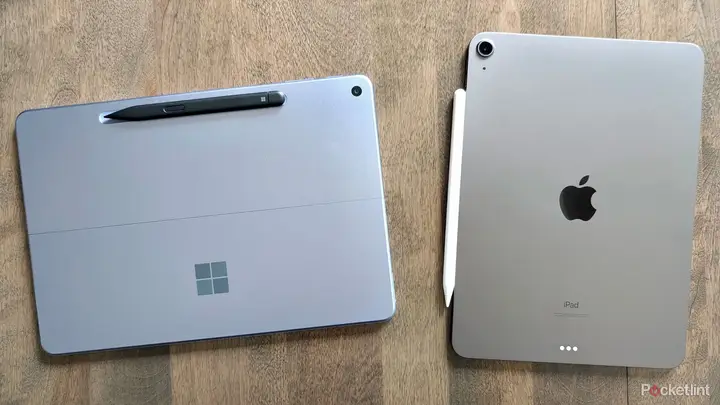
Pocket-lint has published an opinion column arguing that most buyers should skip cellular options on tablets and laptops. The piece is a personal view by the outlet's entertainment and streaming managing editor, not a news report. It announces no new product and no price change. It looks at how cellular connections became a common option on portable devices, and whether paying for them is worth it.
The idea goes back to Apple's first iPad, which was sold in a Wi-Fi plus 3G version. At the time, that option helped sell the tablet as a device for reading digital magazines away from home. The author notes that 3G is now almost useless for most tasks. Since then, other makers have added 4G and 5G modems to some tablets and laptops. Microsoft's Surface Pro 13 is one example cited, and Samsung's Galaxy Tab A9 is another.
The core argument is that a tablet or laptop is rarely used where there is no Wi-Fi. These devices are mostly used at a desk, on a sofa, or in a building with amenities. A smartwatch with cellular may make more sense, because people wear it on runs and hikes. The author admits that writing from a park bench appeals in theory. In practice, heat, insects, and the lack of a mouse or full keyboard would get in the way. The author also says a trackpad is not a comfortable substitute.
Tethering from a phone is the usual fallback. Carrier limits on tethering used to be strict, which made a separate connection more useful. Many plans are now unlimited, but a 5G phone can still use data quickly. Tethering means the one device people already carry has to stay on and connected. The column argues that this is the main cost of a cellular tablet, because the phone and the tablet both drain their batteries.
Cost is the second part of the argument. Apple charges $150 to $200 more for cellular on iPads, according to the column. A 5G-capable Surface Pro costs at least $500 more than the base model. The author also says carriers may add a fee for tablets, laptops and wearables that is not part of the base plan. Over several years, these charges can add up to hundreds or even thousands of dollars. The column suggests this is not worth paying unless an employer covers the bill.
The author names three cases where cellular makes sense. The first is work that depends on being connected at all times. A built-in modem can act as a backup when a router fails or an internet provider has an outage. The second is field work, such as technicians and safety inspectors, where an employer may prefer devices with their own connection rather than personal tethering. The third is offline navigation on a larger screen. Cellular models can use GPS with or without a data plan, which the author found useful on a trip abroad. Beyond these cases, the column says the reasons are weak. Buyers with spare money, or whose employer pays, may still choose cellular. For everyone else, the author suggests spending on accessories or extra storage instead.
The column gives no new figures for carrier fees or device prices beyond those quoted. Prices may differ by country, by carrier and over time, so readers should check the current offers themselves. The author expects the picture to change only when cellular modems become standard in tablets and laptops, and when carriers stop charging extra for connected devices. The piece is an opinion, so it should be weighed against each reader's own routine and budget.
Enjoying this? Get the Gadgets brief
Every Monday: the gadgets worth your money.
✓ Free · seven editions · one click to leave
Original reporting by the sources above. Summary by smart-home.space.