EnergyNews wire, 12 h ago
Monocrystalline or polycrystalline: how to choose home solar panels
Reported by Engadget
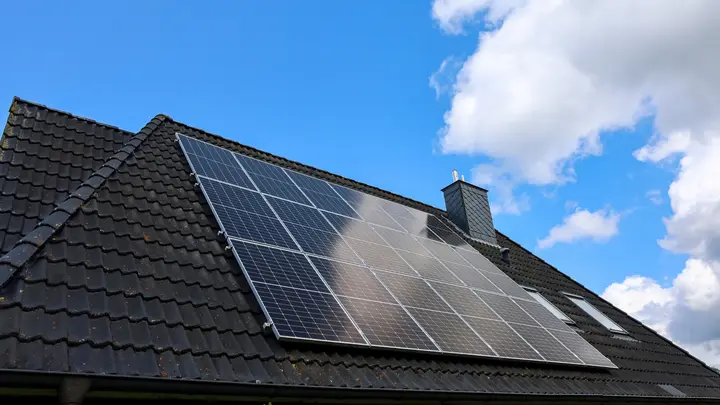
Engadget has published a buyer's guide on monocrystalline, polycrystalline and thin-film solar panels for homes. Its main message is that the most efficient panel is not always the best purchase. Roof space, budget and plans for backup power all shape the right choice.
Monocrystalline panels generally produce more power per square foot than older polycrystalline models, which matters when vents, chimneys and skylights already use up sunny roof areas. Polycrystalline panels may cost less where they are still sold, but they need more room for similar output. Thin-film panels are light and can be flexible, yet they are rarely used on a standard pitched roof.
The article suggests sizing a system for about 20 percent more energy than the household normally uses, as a buffer for darker days. Inverters, mounting hardware and installation labour must be included in the comparison. Buyers should also decide what the system must power. Someone who wants lower bills needs a different setup from someone who needs Wi-Fi and the kitchen appliances to keep working in an outage.
Engadget compares two module examples. A Qcells panel is rated at 440 W and 22.5 percent module efficiency, while a Tesla 420 W residential module is at least 20.5 percent efficient. Spec sheets alone do not show what a given roof will produce. Heat reduces efficiency, and shade and orientation cut annual output. Bifacial panels can gain from reflected light, but that depends on how they are mounted.
On cost, the article cites the Solar Energy Industries Association, which reported an average US residential price of $3.36 per watt for Q2 2026. An editor at the outlet reported spending just over $24,000 on a 5.1 kW system, including inspections and permits. Federal tax relief for home solar no longer applies to systems completed after 31 December 2025. Local rebates may still be available in some areas.
The article advises comparing projected annual output and total cost, not the printed wattage. Check roof repairs, permits, inverters and warranty terms too. Panels usually lose output gradually, so performance warranties can matter as much as the price. For backup without a rooftop array, portable power stations from Anker SOLIX, Jackery, BLUETTI and EcoFlow can charge from compatible panels and run a limited set of appliances during an outage.
Enjoying this? Get the Energy brief
Every Friday: prices, subsidies and what changed in your market.
✓ Free · seven editions · one click to leave
Original reporting by the sources above. Summary by smart-home.space.