GadgetsNews wire, 2 h ago
An old laptop on Linux: what a decade-old machine gains from a lighter system
Reported by XDA Developers
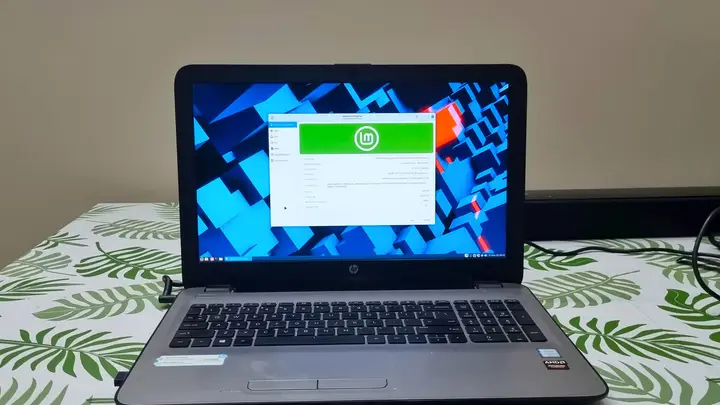
A writer reports that a laptop bought in 2016 now runs better on Linux than it did on Windows when it was new. The original machine, a Lenovo, had lost sight of its discrete AMD graphics chip, and its Intel Core i3 second-generation processor struggled with newer software. The writer kept it for basic browsing and small tasks, and bought a replacement: an HP model with a Core i5 sixth-generation processor and 4GB of DDR4 memory.
The writer says the HP machine became hard to use as Windows updates grew heavier and background tasks demanded more. Slow HDD storage and 4GB of memory became clear bottlenecks. Adding a SATA SSD and doubling the memory would give a small gain, but the laptop would still not meet Windows 11 requirements. In 2021 the writer bought a mid-tier Asus gaming laptop with 16GB of DDR4 memory and an Nvidia RTX 3060 GPU, which runs Windows 11 and is expected to move to the next Windows version.
Both older machines lack TPM 2.0 support. The writer argues that Microsoft offers no low-spec edition of Windows, while Linux offers many distributions built for different uses. A beginner can search for one that fits old hardware. Ubuntu's recent releases have grown heavier and run poorly on these laptops, according to the writer. Lighter options include Lubuntu, a flavour of Ubuntu, and Debian-based systems such as MX Linux and Zorin OS. The writer also names Fedora and Arch for readers who want something more complex, and suggests stripping down a distribution and rebuilding it with a preferred desktop environment.
The writer currently runs Linux Mint with the MATE desktop on the HP laptop. Earlier, the writer used the XFCE edition, which also ran well on the old hardware. Web browsing, office apps and other everyday software ran smoothly, and the SSD and memory upgrade made a visible difference to overall speed.
The writer also explains why Windows 10 is not the choice for this machine, even though it might run on it. Windows 10 is near the end of its support. Under the Extended Security Updates programme it receives only security updates, with no new features, until October 12, 2027. The writer notes that Linux Mint 22 is supported until 2029. The writer argues that if one Linux distribution drops an old machine, others may still support it. The same is harder to say for Windows, which the writer thinks may phase out older hardware, though this is the writer's own view and not a stated plan from Microsoft.
The writer expects Linux to become a default recommendation for older hardware, especially when Windows 11 is not an option. Beginner-friendly distributions can look familiar to Windows users while avoiding the bloat and tracking the writer dislikes. The writer admits that the learning curve and software availability can be restrictive, though an alternative usually exists.
What is not covered is also worth noting. The piece is a personal account from one writer, and it gives no benchmark figures for the speed gains. No other outlet reports the same experience, so the claims about performance and future Windows support rest on the writer's experience and opinion. Readers with similar machines should check the hardware compatibility of each distribution before installing.
Enjoying this? Get the Gadgets brief
Every Monday: the gadgets worth your money.
✓ Free · seven editions · one click to leave
Original reporting by the sources above. Summary by smart-home.space.