GadgetsNews wire, 7 h ago
Fitbit Air, Withings and Hatch sleep trackers compared before Black Friday
Reported by Tom's Guide
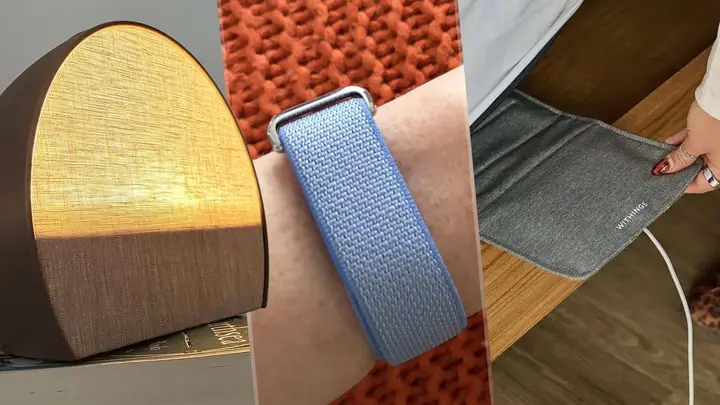
Tom's Guide has put three sleep trackers head to head ahead of Black Friday: the Fitbit Air, the Withings Sleep Analyzer and the Hatch Sleep Clock. The reviewer used all three on the same nights, so each device recorded the same sleep. The piece is a buying guide. It covers design, data, prices and when a discount may be worth waiting for.
The three products use different designs. The Fitbit Air is a screenless smart band worn on the wrist, and the reviewer says it works best when worn all day and night. The Withings Sleep Analyzer is a sensor mat that sits under the mattress and plugs into a power outlet. The Hatch Sleep Clock sits on the nightstand and combines a sunrise alarm, a white noise machine and sleep tracking. The Withings and Hatch are contactless, so the user does not need to wear anything in bed.
Prices are in US dollars, with Amazon as the reference point for all three. The Fitbit Air starts at $99.99 and is the cheapest of the group. The Withings Sleep Analyzer costs $199.99. The Hatch Sleep Clock costs $249.99, which is $80 more than the Hatch Restore 3, a sunrise alarm without tracking.
Each tracker has an optional subscription. Google Health Premium costs $9.99 a month and adds AI-powered insights and advice for the Fitbit. Withings+ costs $9.95 a month and adds deeper analysis. Hatch+ costs $5.99 a month and gives access to the Hatch audio library. All three record basic sleep data without a subscription.
On the basics, all three split sleep into light, deep and REM stages. They also measure how long it takes to fall asleep and the time of waking. The methods differ. The Fitbit tracks heart rate. The Hatch picks up small movements linked to breathing. The Withings records both heart rate and breathing rate. The Withings also includes snore tracking, which the reviewer finds especially good for spotting possible signs of sleep apnea.
The reviewer's own test nights showed differences. The Withings counted a spell of phone scrolling in the early morning as REM sleep, which the reviewer believes overstated sleep time. The Fitbit and Hatch recorded that period as being awake, which matched the reviewer's memory. The Fitbit, however, missed a restless period in bed before sleep that the Withings and Hatch both recorded. Each device therefore has a different weak spot.
The verdict in the headline is that the Fitbit is the most accurate of the three. The Withings is worth its price for people who often wake at around 3 a.m. and want to find out why. The reviewer calls it a lab-grade choice for troubleshooting sleep. The Hatch is described as a good beginner tracker. It focuses on the basics, time asleep and clear sleep-cycle analysis, and works well as an alarm.
For Black Friday, the reviewer expects discounts on the Withings and the Hatch, based on recent sales. The reviewer is less confident of a Fitbit deal. For the Withings sleep mat, the reviewer would shop if the price falls to around $159. The Hatch Sleep Clock was discounted during Prime Day in October, and the reviewer hopes for a similar offer. These are expectations, not confirmed prices. The article also warns that flash sales can appear with little notice.
What is still unknown is whether any of these discounts will happen, how large they will be and how long they will last. The article does not give a confirmed Black Friday price for any of the three devices. Its accuracy comparison rests on one reviewer's test nights and the reviewer's own recollection of them. Readers should treat it as one test, not a lab result that applies to every user.
Enjoying this? Get the Gadgets brief
Every Monday: the gadgets worth your money.
✓ Free · seven editions · one click to leave
Original reporting by the sources above. Summary by smart-home.space.