GadgetsNews wire, 23 Nov 2026
Wearing a Fitbit on your ankle: more steps counted, less health data
Reported by Engadget
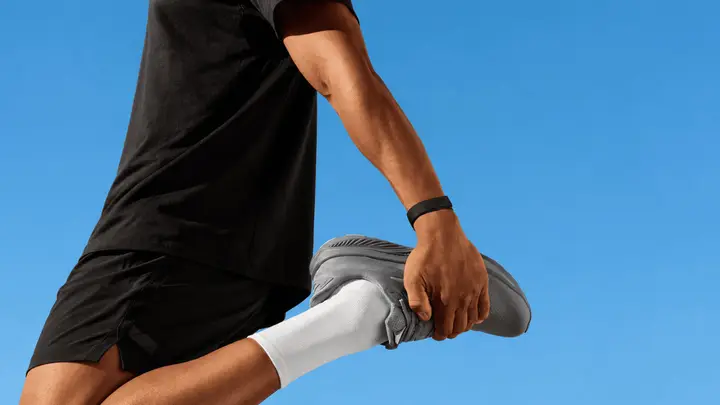
Some Fitbit owners wear their tracker on the ankle to capture steps that a wrist-worn device misses, Engadget reports. The idea targets activities with little arm movement, such as pushing a stroller, using a treadmill with the rails held, or working at a walking desk. Fitbit trackers rely on arm motion to gather much of their data, and Google generally assumes the device sits on the wrist.
A 2025 study put 11 healthy adults on a cane or a two-wheeled walker, with Fitbit Inspire 3 trackers attached at the wrist, hip and ankle. Hip and ankle sensors were off by 1.5 percent on average in step counts, while wrist readings were far less reliable. The study was small, and it tested assisted walking rather than everyday life.
The drawbacks are clear too. In one test, a Versa 4 counted 1,510 steps during a 30-minute stationary bike session when worn on the ankle, against 180 on the wrist. Pedalling is not walking, and many owners care most about heart-rate data. In a separate night test, the tracker did not record sleep on the ankle. Google advises a snug wrist fit for the optical heart sensor, and it has not shown comparable accuracy for the ankle.
A separate experiment gave mixed results. The ankle-worn Fitbit Air counted walking-pad steps that a wrist-worn Pixel Watch 4 did not register during a desk session. One walk showed a heart-rate peak of 182 beats per minute on the ankle, against a 129 bpm maximum on the wrist. Four more walks did not repeat the spike, so the result is not proof that ankle data is always wrong.
Ankle wear has practical costs. Standard wristbands may be too short, aftermarket ankle straps cost extra, and a loose tracker can rub against socks or shoes. Notifications are harder to check. For wrist-free use, the Inspire 3 has an official clip, but that mode drops heart-rate tracking, Active Zone Minutes and automatic exercise tracking.
Readers who try it should weigh better step counts against weaker heart-rate and sleep data. Long-term accuracy for daily life is still unclear.
Enjoying this? Get the Gadgets brief
Every Monday: the gadgets worth your money.
✓ Free · seven editions · one click to leave
Original reporting by the sources above. Summary by smart-home.space.