Smart HomeNews wire, 23 Nov 2026
ESP32-C6 DIY projects bring Thread routers and sensors to Home Assistant
Reported by XDA Developers
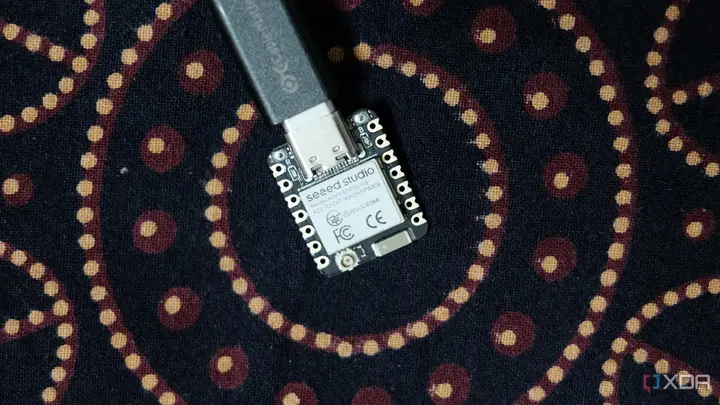
A roundup from XDA Developers, published on 23 November 2026, looks at four DIY projects that use the ESP32-C6 chip to join a Thread mesh instead of Wi-Fi. The chip also supports Zigbee, Wi-Fi and Bluetooth, but the author highlights Thread. Thread is a mesh network, so each always-on device that can route helps extend coverage. The projects are built with ESPHome and Home Assistant and are aimed at people who want extra sensors or range that commercial products often skip.
The first project is a router build by Tristan Teufel, called esp32c6-thread-router, running on a Seeed Studio XIAO ESP32-C6. The enclosure is 3D printed, and its case files are shared on Printables. According to the article, the configuration adds Thread diagnostic sensors to Home Assistant, lets users set transmit power between -15 and 20 dBm, and includes a switch for choosing the onboard or external antenna. Firmware updates can be sent over Thread. The diagnostic sensors need ESPHome 2026.8 or newer, and the build has only been tested on the XIAO. Other C6 boards can work if the XIAO-specific block is removed from the YAML.
The second project turns the chip into a Thread border router. ESPHome has a new border router mode in its openthread component, which bridges the C6 radio to Wi-Fi. One small board can therefore do the job of an Apple TV, a HomePod mini or a dedicated dongle. Wi-Fi-only ESP32 chips can do this too, but they need a separate radio chip connected over UART. The article shares a short YAML file and lists the requirements: IPv6, a normal Wi-Fi connection and a recent ESP-IDF. In the author's test, the board joined the same Thread network as an Apple TV 4K and appeared in Home Assistant beside it. The mode is labelled experimental. The developer's board stayed up for a fortnight, but the external-antenna version froze several times during testing, so the author would not rely on it as the only border router.
The third project is a sensor node by Bootsma. It combines an HLK-LD2450 mmWave radar, which uses zones to show where a person is in a room, with a Sensirion SHT41 for temperature and humidity and a BH1750 for light levels. A status LED blinks on each lux update. The node talks to Home Assistant only over Thread and routes traffic for the mesh while it works. Bootsma reports running it daily without disconnections. The full code appears in a community forum post for Home Assistant, without secrets. The custom PCB design files were never shared, so a builder would need a standard ESP32-C6 development board with breakout sensors.
The fourth project, by Furmwareupdates, is an air quality monitor built on a custom PCB with an ESP32-C6. It pairs with the Sensirion SEN66, which measures temperature, humidity, particulate matter, VOC, NOx and CO2. The post includes the 3D files for the enclosure and the manufacturing plans for the board. The author calls it more advanced than the other builds.
The article closes by suggesting that, once a use case fits a home, learning 3D printing for cases and basic electronics for breakout sensors are sensible next steps. All claims come from the author's own testing. None of the projects has been independently verified, and several are described as experimental or tested on only one board.
Enjoying this? Get the Smart Home brief
Every Tuesday: what changed in Matter, hubs and security.
✓ Free · seven editions · one click to leave
Original reporting by the sources above. Summary by smart-home.space.