Smart HomeNews wire, 2 h ago
Home Assistant plugs use power draw, not timers, to track dumb appliances
Reported by XDA Developers
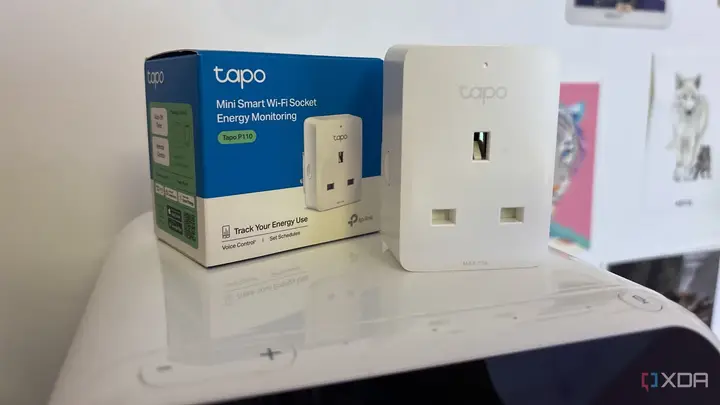
XDA Developers has published a hands-on guide to three Home Assistant automations that rely on power draw instead of fixed timers. The author says timers fail for many appliances, because cycle lengths change with eco modes, half loads and unexpected pauses. Instead, the automations read real-time wattage from energy-monitoring smart plugs, so Home Assistant can judge the state of a device from its electrical output.
The first case is a washing machine or dryer. These appliances move through washing, water heating, spinning and pauses, so a fixed timer is unreliable. The automation treats a power reading above 5 W as the start of a cycle. To avoid a false finish during a brief pause, when draw falls to zero, it waits until the reading stays at standby level below 2 W for five minutes. Then it sends a phone alert and a smart speaker announcement that the laundry is ready. A persistent notification in the Home Assistant interface is also possible.
The second case is a coffee machine, where a timer can either cut power while the warming plate is still on or leave the heater running after brewing. The author watches for a jump above 800 W when the heating element switches on. A drop to a lower, steady draw of about 50 W then marks the warming phase. When the draw falls to 2 W and stays there for more than 15 minutes, the brew is treated as finished and the smart plug cuts power. The aim is to reduce fire risk and wasted energy.
The third case is a portable dehumidifier, whose compressor cycles on and off with humidity, so it is hard to predict when its water bucket fills. The author's unit draws about 200 W while the compressor and fan run. When the tank is full, a float switch stops the compressor, and the draw drops to 2 W while the error light blinks. The automation waits more than 30 minutes to confirm the tank is full, not just that the room has reached its target humidity. It then sends a phone alert to empty the reservoir. The author notes the figures apply to one specific unit and may differ for other models.
The author concludes that real-time thresholds with short delays cut false alerts and make ordinary appliances behave more like smart ones without a higher price. The piece also warns that dryers, some kettles and espresso machines can draw close to the rated limit of a typical plug, so buyers should check the rating first. It recommends the Tapo P110 as a plug that can monitor energy use.
What the article does not cover is how reliable these thresholds are across other machines, or how the plug behaves over long periods. Readers should treat the numbers as one person's setup, not tested specifications. This is a single source, so no other outlet confirms the details.
Enjoying this? Get the Smart Home brief
Every Tuesday: what changed in Matter, hubs and security.
✓ Free · seven editions · one click to leave
Original reporting by the sources above. Summary by smart-home.space.