Smart HomeNews wire, 4 h ago
Lesser-known Home Assistant features: voice prompts, hazard alerts and long-range sensors
Reported by How-To Geek
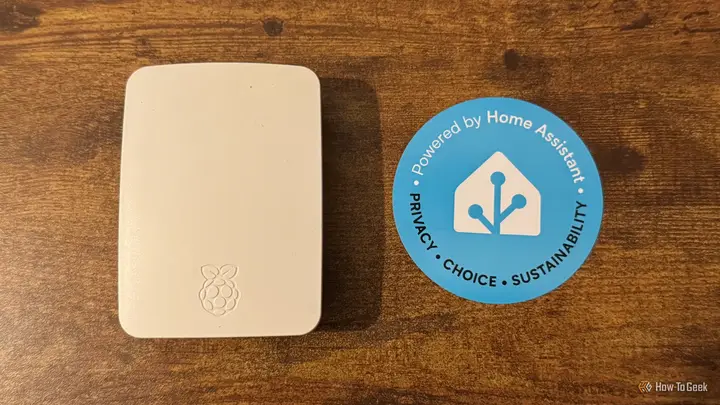
A How-To Geek article published on 27 November 2026 lists several lesser-known things the open-source Home Assistant platform can do. It is a feature roundup, not an announcement, so no new release is tied to it. The examples cover voice prompts, hazard alerts, theme park queues, speaker profiles and long-range radio sensors.
Home Assistant includes a built-in voice assistant called Assist, meant as an alternative to Alexa or Siri. Its default conversation agent runs on the device itself and works from a fixed set of commands rather than open-ended language processing. It handles tasks such as switching devices, setting timers and adding items to lists. Using a question action, Assist can also ask the user something and act on the answer. The example given is an electric blanket that has been running for more than an hour. Assist asks whether to switch it off, turns it off on a yes, leaves it on for a no, and says so if it does not understand the reply.
Geolocation integrations can also trigger alerts for real-world events. The article suggests a zone with a radius of about 100 miles around the home. The USGS earthquake integration reports quakes inside that zone. The GDACS integration covers flood, cyclone, tsunami and volcano alerts, and the NSW Rural Fire Service integration tracks wildfires in Australia. Home Assistant cannot prevent these events, but it can warn residents in time.
The article also describes Theme Parks Waiting Times, a custom integration installed through HACS or the Marketplace. It uses the ThemeParks.wiki API to read ride wait times, including at Disney parks. An automation can notify a user when a wait falls below a chosen threshold, or when a closed ride reopens, which often means a shorter queue. According to the article, the automation can switch on when the user arrives at the park and off when they leave. The example comes from a user post on Reddit, and the integration is third-party, not official.
Echo speakers can recognise a voice. The Alexa Devices integration creates event entities that show the spoken command, the recognised intent and Alexa's reply. If the voice is matched, the entity also gives the first name and whether the speaker is an adult or a child. An automation can then lower the heating when a child asks to raise it, or stop music a child requests after bedtime. The author notes that this works with hardware many households already own.
Wi-Fi may not reach far enough, and Zigbee mesh networks are limited by the nearest node. The article says Home Assistant can communicate with devices over 10 miles or more using LoRaWAN, a low-power radio network that sends small amounts of data. Range depends on terrain: a few miles in towns and 10 miles or more in rural areas. Home Assistant 2026.11 added LoRaWAN as a built-in feature, connecting through ChirpStack and The Things Network servers. Not every LoRaWAN sensor works automatically. The sensors need neither Wi-Fi nor an internet connection, and a gateway can sit in a suitable spot away from the home. The examples are soil moisture in a community garden and a sensor placed near a remote gate.
Readers who already run Home Assistant can check which of these features they have. Assist and geolocation alerts need no new hardware. The Alexa and LoRaWAN features depend on specific devices and on the software version. Check the release notes and integration documentation before setting anything up. The article gives no costs and no tested setups, so readers should confirm compatibility first.
Enjoying this? Get the Smart Home brief
Every Tuesday: what changed in Matter, hubs and security.
✓ Free · seven editions · one click to leave
Original reporting by the sources above. Summary by smart-home.space.