Smart HomeNews wire, 1 h ago
Seven sub-$10 DIY sensors for Home Assistant, from door contacts to soil moisture
Reported by XDA Developers
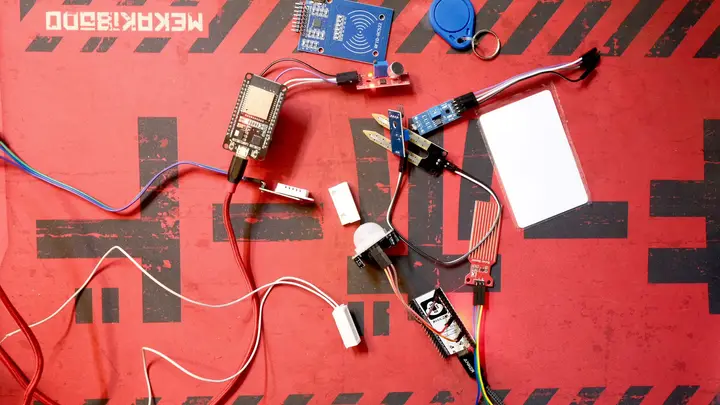
A smart home hobbyist writing for XDA Developers, published on 28 November 2026, describes building seven sensors that cost under $10 each. The author links them to ESP32 boards, runs them with ESPHome, and feeds the data into Home Assistant. The article is a personal build log rather than a product launch.
The first device is a magnetic reed switch on doors and windows. It needs no battery or internet link, so it keeps working when the network is down. The author set filters to warn when the back door stays open or opens after midnight, and an automation runs only when nobody is home.
The second device is a temperature and humidity sensor. The family checks its readings before going out. The data goes into Home Assistant, and the author pairs it with Pirate Weather for local forecast detail. The author also plans to send the readings to a locally hosted language model for clothing suggestions and to help prevent mold during room work. Those uses are plans, not tested results.
The third device is a passive infrared motion sensor. It supports presence automations and alerts when stray dogs enter the garden. The author first found the wiring at fault and corrected the power connection before running ESPHome firmware. Phone location was too slow for presence, which is why motion sensing was added. The next step is to pair it with a different kind of presence detector that relies on radio beacons.
The fourth device is a light dependent resistor. It measures outdoor brightness, so indoor lights follow the light outside instead of fixed clock times. The author reports smoother transitions. The same readings also serve photography experiments with aperture, ISO and shutter speed.
The fifth device is a sound sensor on a washing machine. It picks up vibration and noise and tells Home Assistant when the cycle ends. Neighbours playing music cause false alerts, so the author combined it with the motion sensor for night-time listening and tuned the thresholds.
The sixth device is a water level depth sensor in a storage tank. It warns before overflow so that a pump can be shut off in time. The author has not yet picked a switch to control the pump automatically. Because the home is in a flood-prone area, the sensor also tracks water near the house during heavy rain. The author says it is most useful in storms and monsoon periods.
The seventh device is a soil hygrometer placed in garden beds. It reports moisture, so the family can water only when plants need it. The main problem so far is splashing water, so the author uses makeshift wraps until a proper enclosure is ready.
Several questions remain open. The author has no final enclosure for outdoor sensors against dust and weather, and is considering 3D printed cases with advice from a colleague. The article does not give a full parts list or total cost, and it does not report long-term reliability.
Enjoying this? Get the Smart Home brief
Every Tuesday: what changed in Matter, hubs and security.
✓ Free · seven editions · one click to leave
Original reporting by the sources above. Summary by smart-home.space.