Smart HomeNews wire, 11 h ago
Home Assistant now includes HACS under the name Marketplace
Reported by How-To Geek
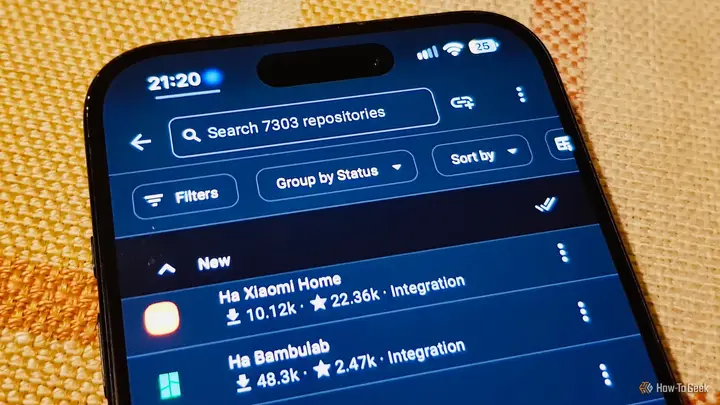
Home Assistant now includes the Home Assistant Community Store, known as HACS. According to How-To Geek, the store has been built into the core software under a new name, Marketplace. It is part of every new install. Until now, users had to add HACS separately to reach the custom integrations and other components that many people rely on.
The article says Marketplace lists more than 7,000 repositories. The author, who writes from personal use, also gives a short list of components to install first. The list reflects one writer's choices, not an official ranking.
The first pick is Spook, a collection of tools built by Frenck, the project lead of Home Assistant. He made it for features that the core software does not handle well. Spook can find orphaned and unused entities and add extra options to automation actions. It also includes a Time in State helper.
Adaptive Lighting changes the brightness and colour temperature of smart bulbs over the course of the day. Lights start dim and warm in the morning, grow brighter and cooler toward midday, and become dimmer and warmer in the evening. The aim is to follow natural daylight. After setup, no further action is needed.
Battery Notes tracks the charge level of batteries in devices. It uses a community-maintained library to identify which battery type each device needs, so users know how many batteries to buy. It can also record when batteries were last changed, and those dates can drive reminders.
The Auto Entities card can show only the devices that meet a filter. The example given is batteries at 20 percent or less. New devices that match the filter appear without a dashboard change.
Waste Collection Schedule pulls collection dates from official waste providers and calendar feeds. Each source creates sensors for upcoming dates and collection types. These sensors can drive automations that remind households before bin day. The author says he uses this integration every week.
PowerCalc creates virtual power and energy sensors. It estimates use from a library of power profiles, so no extra smart plugs are needed. The article notes that these estimates are not the same as measured data taken at the source. Even so, they can give a general picture of how energy is used in the home.
What the article does not cover: it gives no release date or version number for the change, and it does not explain how existing HACS setups move to Marketplace. It is a how-to list rather than a report on a formal announcement, and it does not add details from the Home Assistant project itself.
Enjoying this? Get the Smart Home brief
Every Tuesday: what changed in Matter, hubs and security.
✓ Free · seven editions · one click to leave
Original reporting by the sources above. Summary by smart-home.space.